Planning a wedding is exciting… until you start looking at the numbers. Suddenly, every quote feels higher than expected, and you’re wondering where it all adds up. The key isn’t cutting your vision; it’s building a clear wedding budget breakdown that gives every dollar a purpose.
At Twickenham House & Hall, we’ve walked alongside hundreds of couples as they planned their celebrations, and one thing is always true: clarity creates confidence. When you know where your money is going, decisions feel easier and far less stressful.
If you're wondering how to set a wedding budget that actually works in real life, this guide will walk you through it.
Wedding Budget Breakdown by Percentage
Using structured wedding budget percentages helps you stay balanced from the start. Instead of guessing what each category should cost, you assign a percentage and work within it.
A common breakdown looks like this:
Venue + Catering: 40–50%
Photography + Videography: 10–15%
Attire: 5–10%
Flowers + Decor: 8–10%
Entertainment: 8–10%
Planner/Coordinator: 5–10%
Invitations: 2–3%
Miscellaneous + Contingency: 5–10%
These aren’t strict rules. They’re guideposts. They help you prevent overspending in one area before you’ve accounted for everything else.
Real Wedding Budget Percentage Example
Let’s look at a realistic wedding budget percentage example:
Venue + Catering (45%)
Photography + Video (12%)
Attire (8%)
Flowers + Decor (9%)
Entertainment (9%)
Planner (7%)
Invitations (3%)
Miscellaneous/Buffer (7%)
Seeing actual numbers makes the plan tangible. Instead of asking, “Is this normal?” you’re asking, “Does this fit within our allocated percentage?”
That shift changes everything.
How to Set a Wedding Budget Step by Step
1. Decide Your Total Investment First
Before booking vendors, determine your full financial picture.
The average wedding budget in the U.S. often falls between $30,000–$35,000, but your budget should reflect your reality, not a statistic. Consider savings, monthly contributions, and any family support.
2. Identify Your Top Three Priorities
Choose the areas that matter most to you:
Guest experience
Photography
Food
Venue setting
Live music
Floral design
For many couples who choose Twickenham House & Hall, the venue experience and guest atmosphere rank high. When the setting is already stunning, you may find you need less added décor than expected, which can positively impact your overall wedding flowers cost.
3. Use a Wedding Budget Planner
A simple wedding budget planner should track:
Vendor name
Estimated cost
Final contract amount
Deposit paid
Remaining balance
Payment deadlines
Tracking everything in one place keeps your wedding cost breakdown organized and prevents surprise expenses.
Complete Wedding Cost Breakdown
Venue Cost Percentage
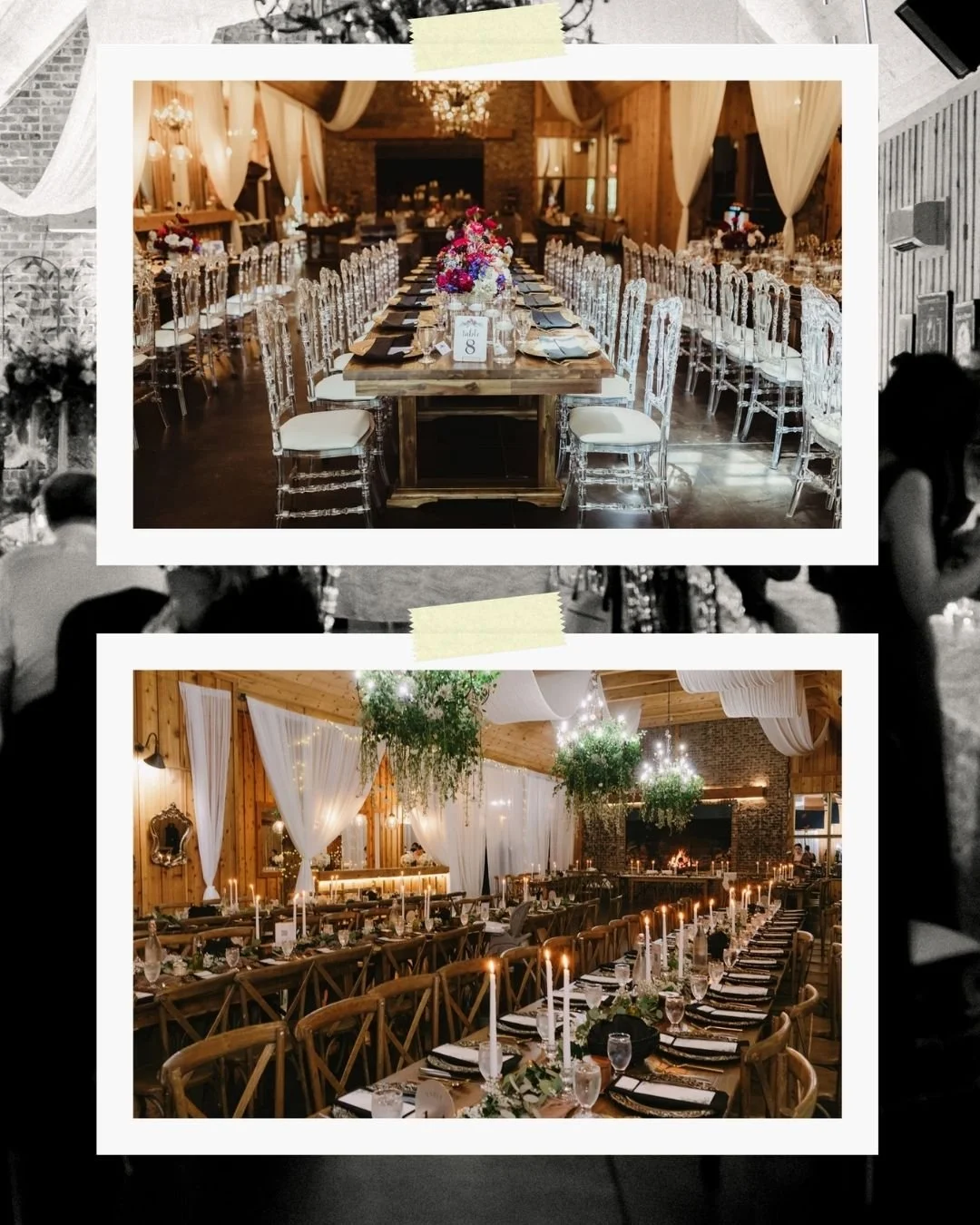
The venue cost percentage typically ranges from 25–35% if catering is separate, or 40–50% if bundled.
At venues like Twickenham House & Hall, couples often appreciate knowing exactly what is included upfront. Clear inclusions help eliminate hidden fees and make budget planning more predictable.
Catering Budget for Wedding
Your catering budget for wedding celebrations is often calculated per guest.
For example:
$100 per guest × 25 guests = $2,500
This is why guest count directly influences total spending.
Wedding Photography Budget
A typical wedding photography budget falls between 10–15% of the total spend.
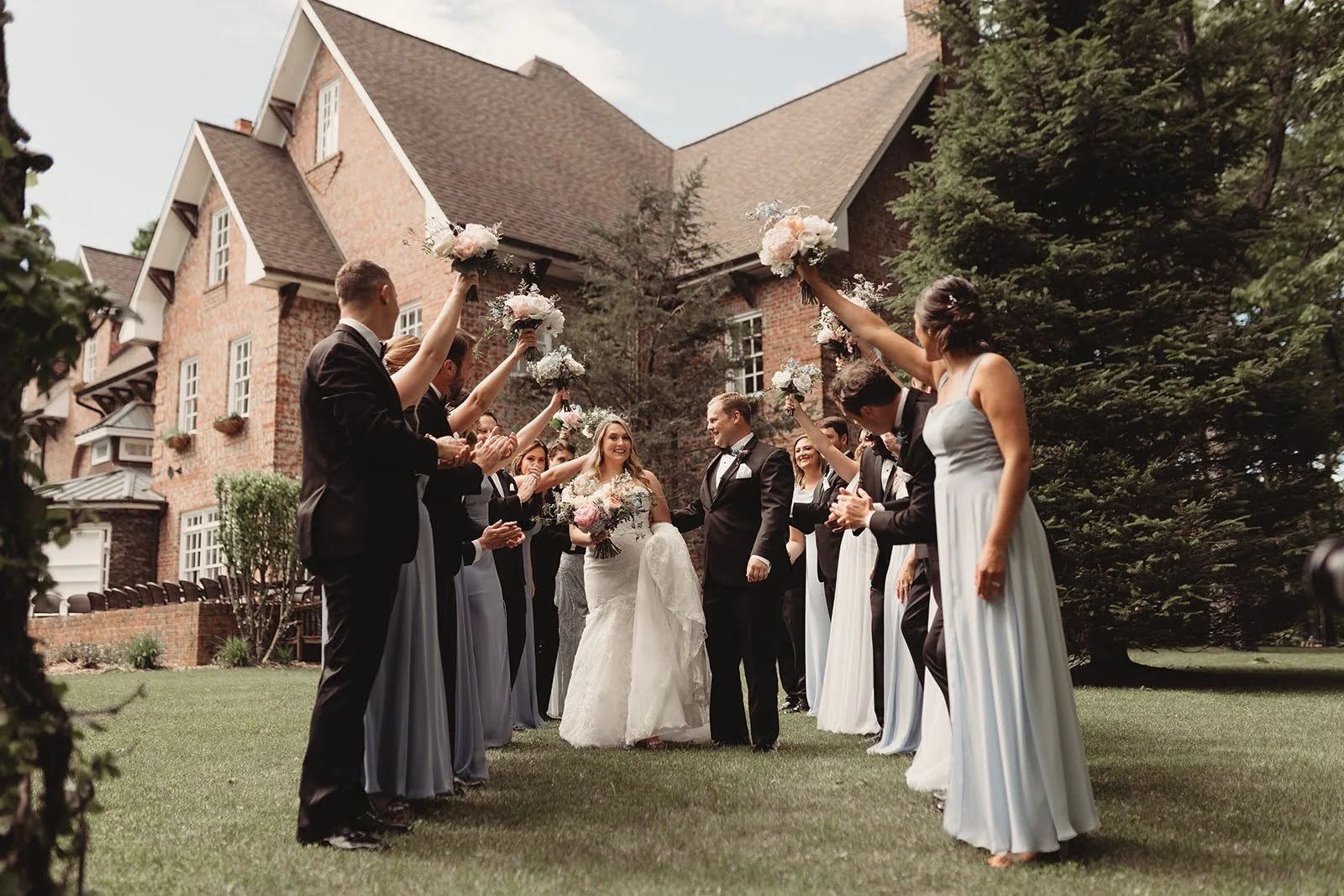
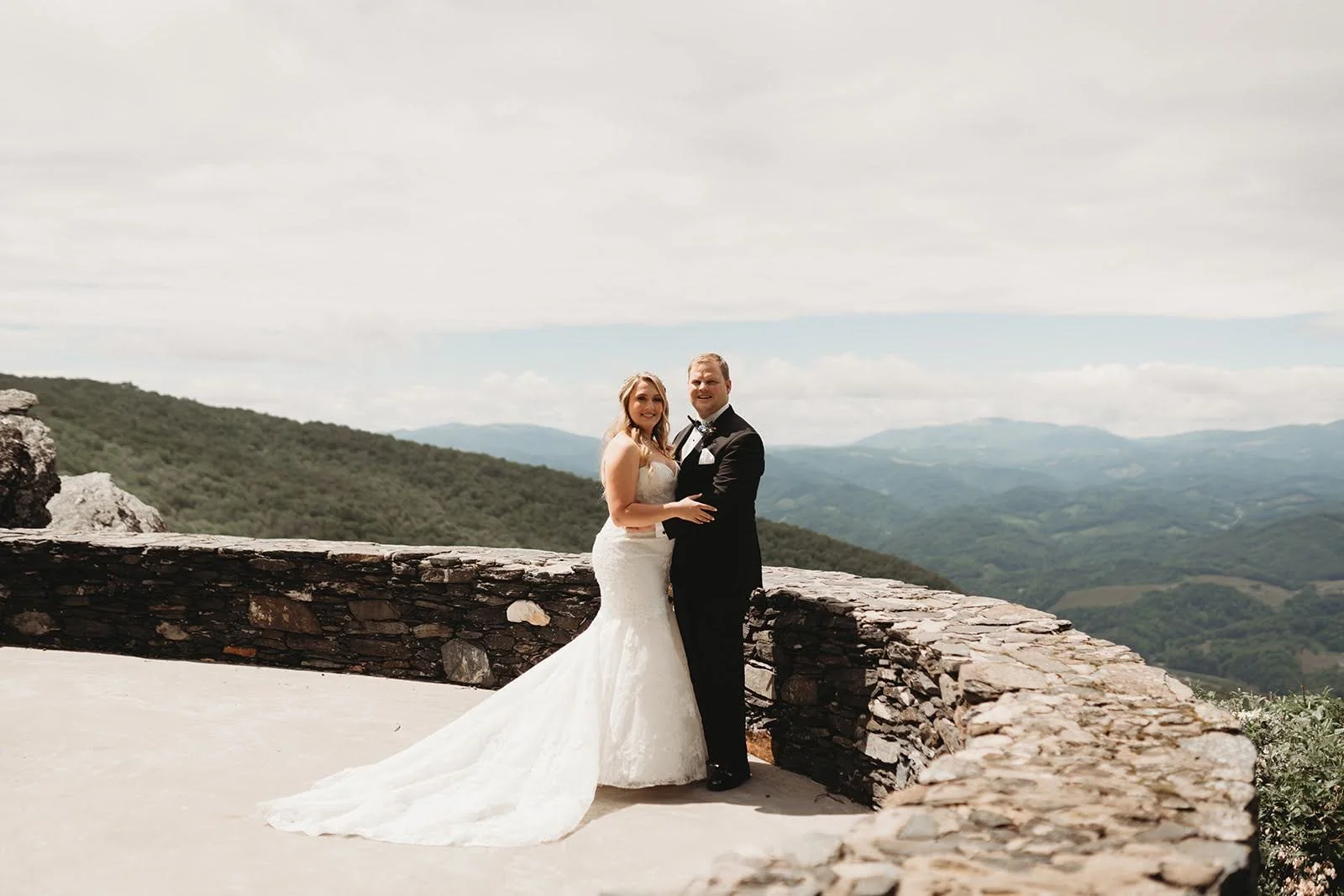
Photography captures your mountain views, your ceremony, and your first dance. Many couples consider this one of their highest-value investments because it preserves the experience long after the day ends.
Wedding Flowers Cost
The average wedding flower cost depends on scale and season.
Costs may include:
Bridal bouquet
Ceremony arrangements
Reception centerpieces
Floral installations
Choosing a venue with natural beauty can reduce the need for extensive floral installations, helping you stay aligned with your percentage goals.
Wedding Dress Budget
Your wedding dress budget generally accounts for 5–8% of total spend.
Be sure to include:
Alterations
Accessories
Shoes
Veil
These additions can raise the final number more than expected.
Wedding Expenses List: Plan for the Details
Your complete wedding expenses list should also include:
Marriage license fees
Vendor gratuities
Sales tax
Delivery/setup fees
Rentals
Hair and makeup trials
Transportation
And always include a 5–10% contingency fund for unexpected changes.
How Much Should You Spend on a Wedding?

So, how much should you spend on a wedding?
The right number is one that allows you to celebrate fully without long-term financial strain. Your wedding should feel joyful, not burdensome.
A thoughtful budget allows you to focus on what truly matters: your experience, your guests, and your memories.
Final Thoughts on Your Wedding Budget Breakdown
Creating a clear wedding budget breakdown gives you structure, clarity, and peace of mind. When you understand percentages, track your categories, and prioritize intentionally, you create a plan you can confidently follow.
At Twickenham House & Hall, we believe weddings should feel seamless and meaningful, not financially overwhelming. A strong budget foundation allows you to design a celebration that reflects your vision while protecting your future.
Related Blogs: