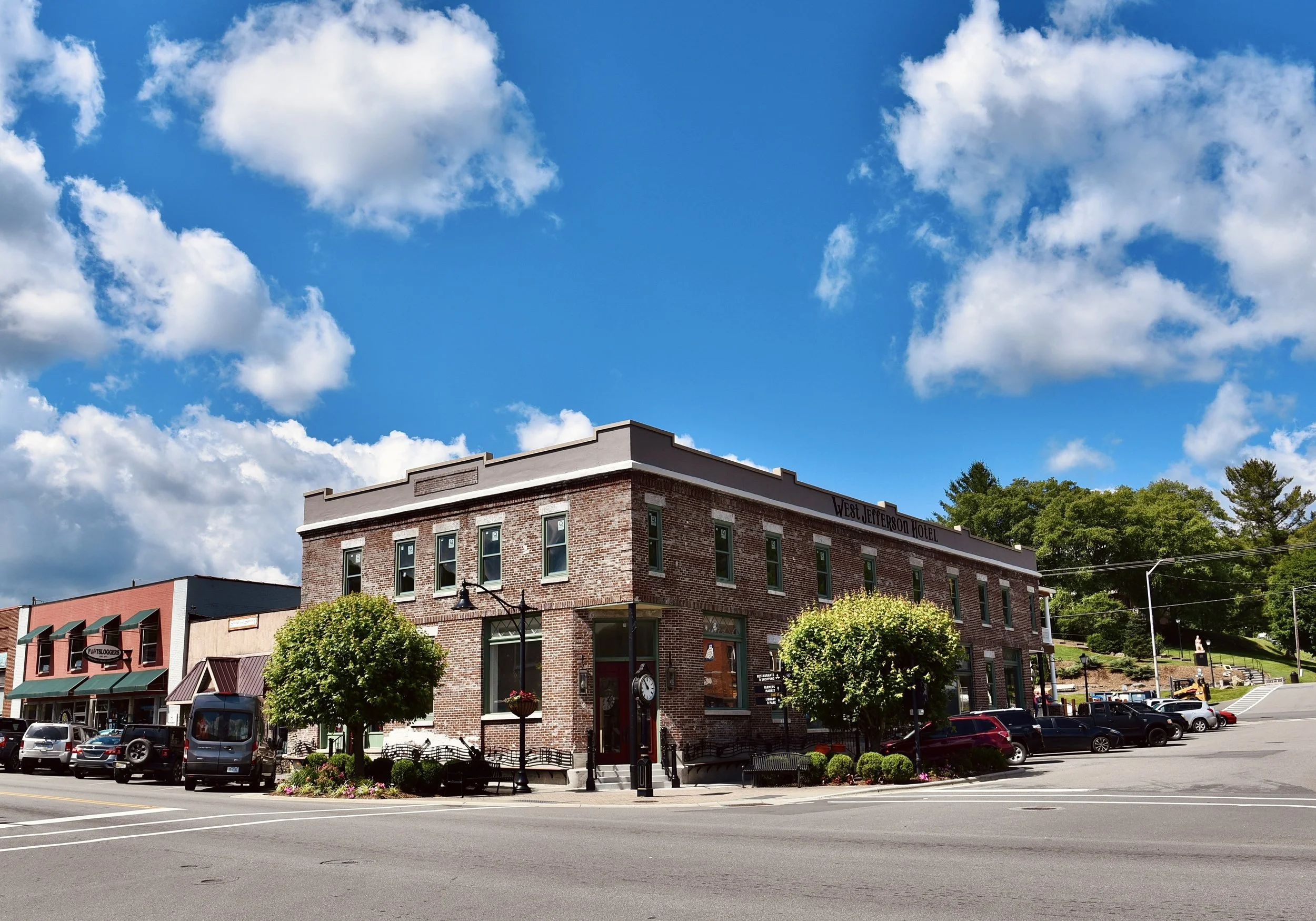
When the Virginia Creeper railroad arrived in the North Carolina mountains in 1914, it brought more than just transportation—it brought transformation. West Jefferson sprang to life along those tracks, and at its heart stood a grand hotel that would become the town's beating pulse for over a century.
The Early Days: A Town's First Heartbeat
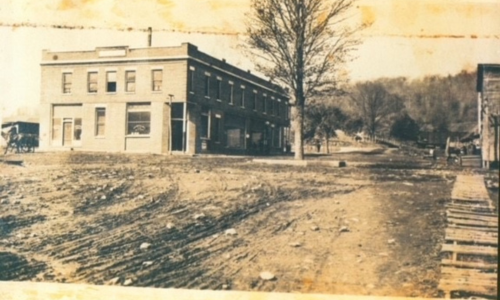
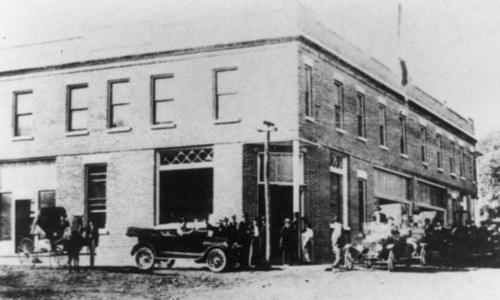
The West Jefferson Hotel's story began with fire and determination. Built in 1915, the original structure barely had time to welcome its first guests before flames consumed it. Yet the town's spirit proved unbreakable—by 1917, a grander hotel rose from the ashes, becoming the beating heart of this nascent mountain community.
More than just lodging, the hotel served as West Jefferson's living room. Its walls echoed with business deals, community gatherings, and the laughter of travelers discovering the High Country's charm. It was where the town came together, where strangers became neighbors, and where the future of West Jefferson was shaped over countless conversations.
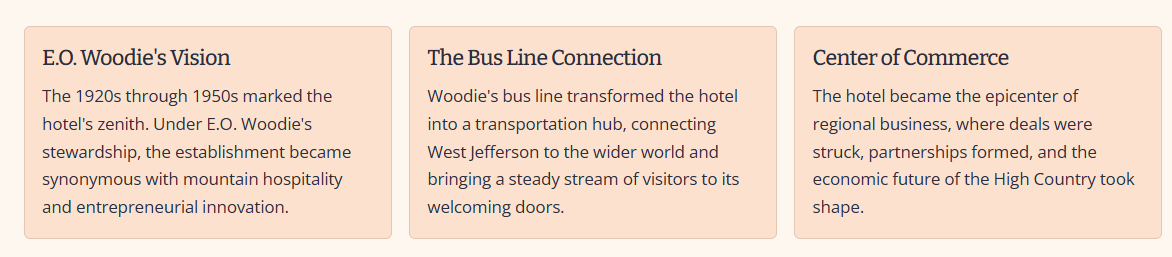
The Golden Era: Boom Years of Commerce and Hospitality
Decline and Dreams Deferred
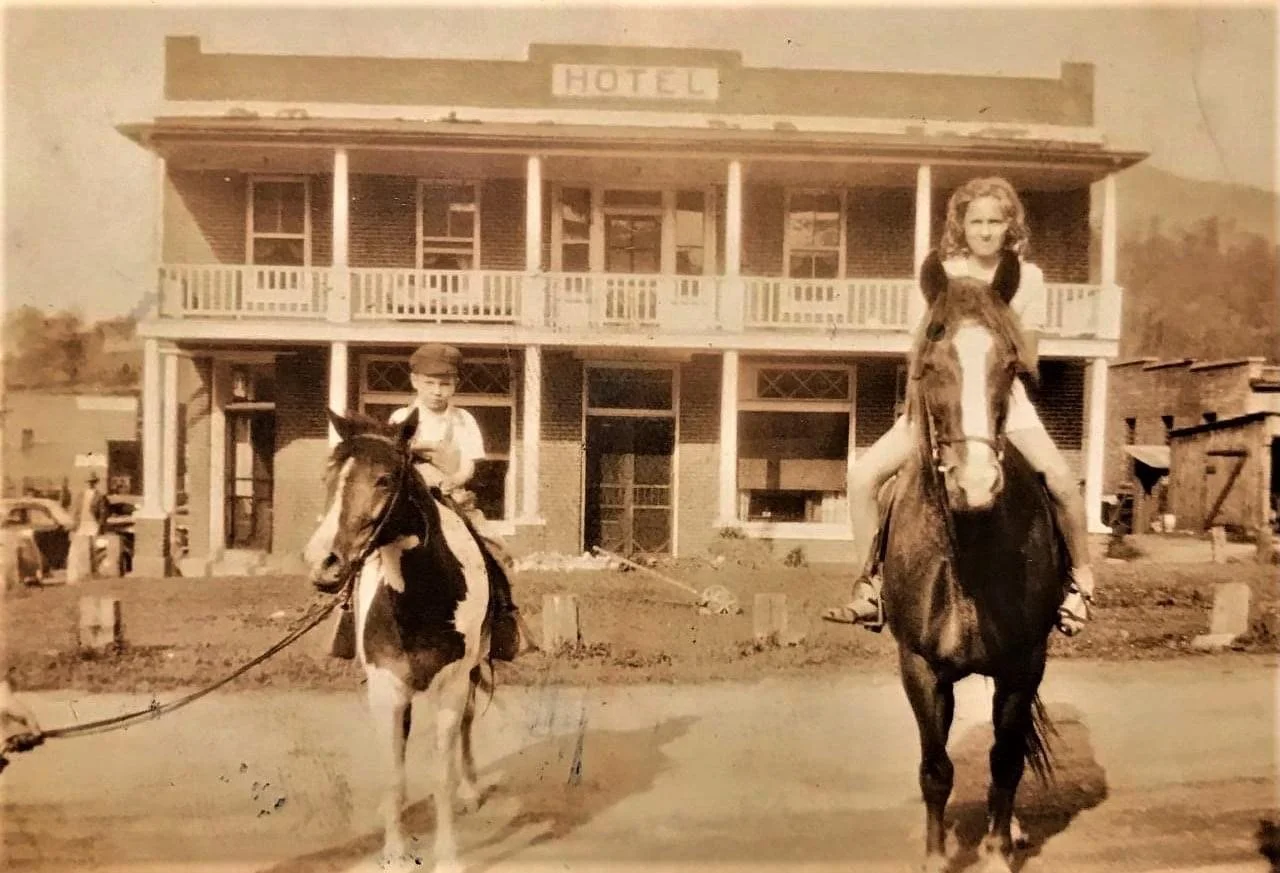
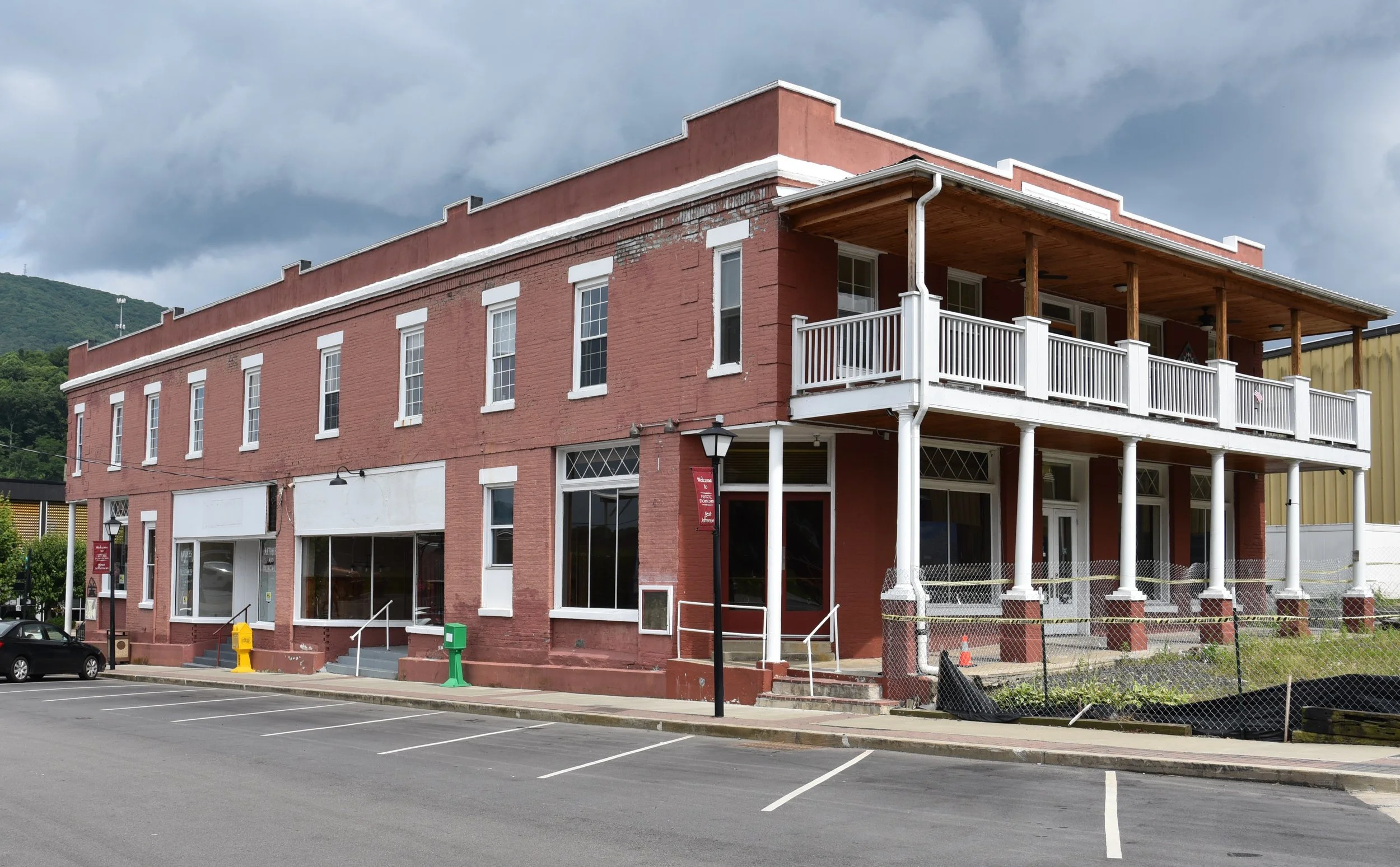
By the mid-20th century, small-town hotels across Appalachia faced challenges that would reshape their future, and the West Jefferson Hotel was no exception. As new highways redirected travelers away from rural mountain towns, the steady flow of guests that once filled its rooms began to slow. Changing travel habits and the rise of modern motels gradually pulled business away from historic downtown establishments.
Over time, the hotel experienced periods of reduced activity, and its once-lively lobby grew quieter. Like many landmark buildings of its era, it eventually closed its doors and entered a long chapter of dormancy. Though the structure remained standing—an enduring reminder of the community’s early prosperity—its future remained uncertain for many years.
Yet the hotel was never forgotten. Residents, historians, and preservation advocates continued to hope that the building would one day return to life. Their belief in its cultural and architectural value kept its legacy alive, laying the groundwork for future restoration efforts and ensuring that the story of the West Jefferson Hotel would not fade away.
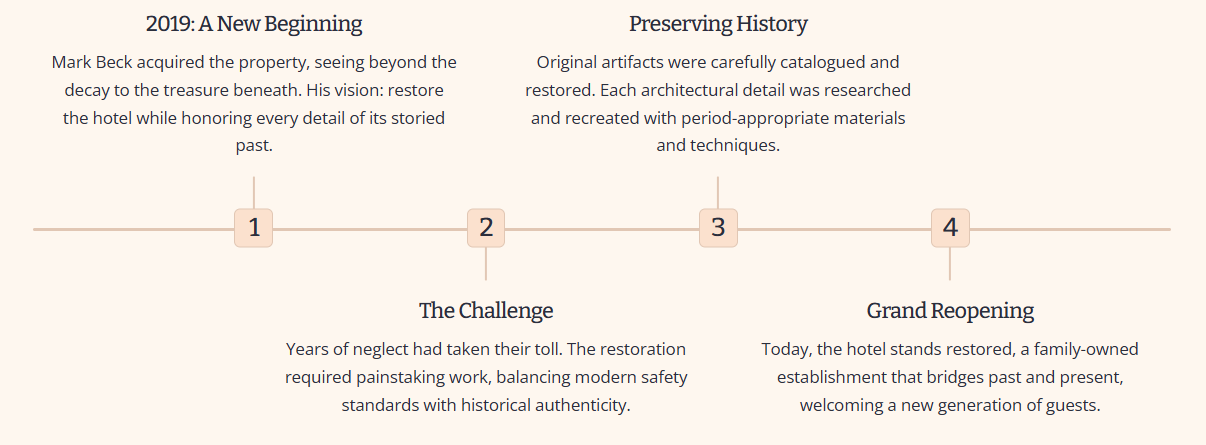
The Restoration: A Labor of Love
A Living Museum of Mountain Heritage
Authentic Interiors
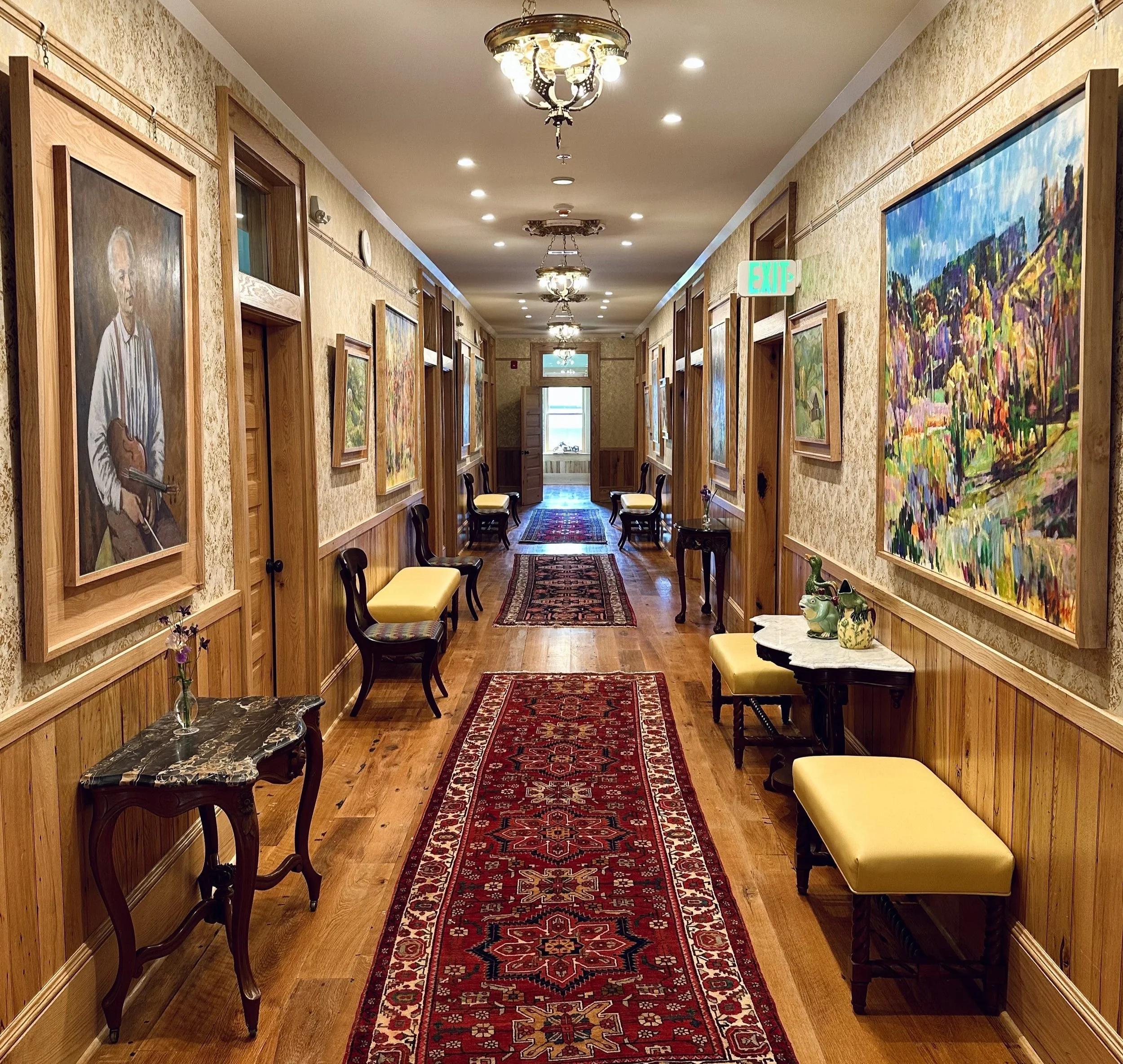
Every room tells a story, furnished with carefully restored period pieces and historical artifacts that transport guests to another era.
Architectural Details
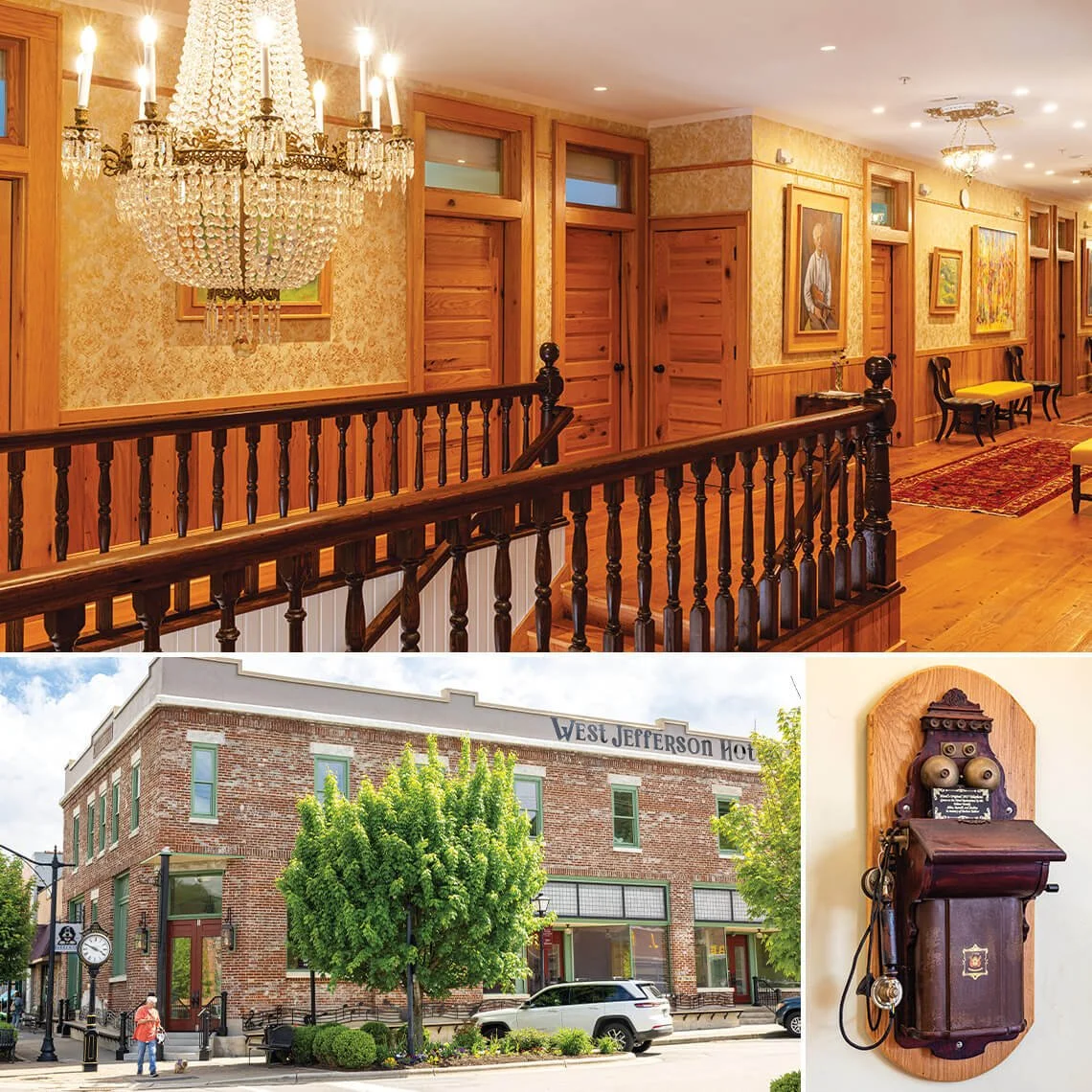
Original moldings, fixtures, and architectural elements have been meticulously preserved, maintaining the building's historical integrity.
Historical Artifacts
The hotel houses a collection of original photographs, documents, and objects that chronicle West Jefferson's evolution from railroad town to thriving community.
The restoration goes beyond mere renovation—it's an act of historical preservation. Mark Beck's commitment to authenticity means guests don't just stay in a hotel; they step into a living piece of Appalachian history, where every creaking floorboard and restored fixture whispers tales of the past.
A Symbol of Resilience and Renewal
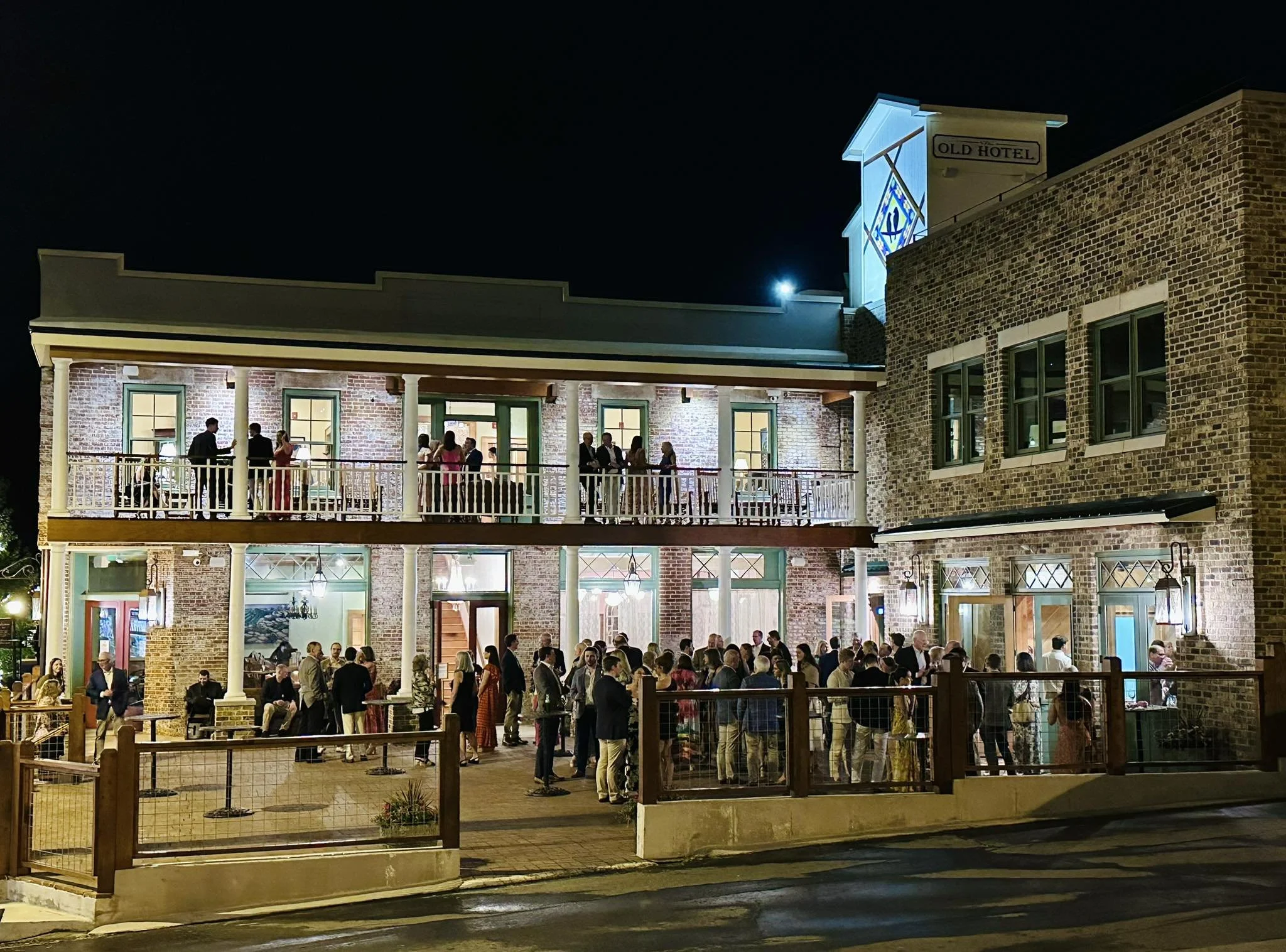
The West Jefferson Hotel stands today as more than a restored building—it's a symbol of resilience and renewal, embodying the spirit of a community that refused to let its heritage fade into memory. From its fiery rebirth in 1917 through decades of prosperity, decline, and ultimate restoration, the hotel has mirrored the fortunes and determination of West Jefferson itself.
As a family-owned establishment once again, the hotel has reclaimed its role as the town's beating heart. Visitors who walk through its doors don't just find comfortable accommodations; they discover a tangible connection to over a century of mountain history, preserved with love and reopened with pride. The West Jefferson Hotel reminds us that with vision, dedication, and respect for the past, even the most faded grandeur can shine again.
Where Twickenham House & Hall Fit In This Picture
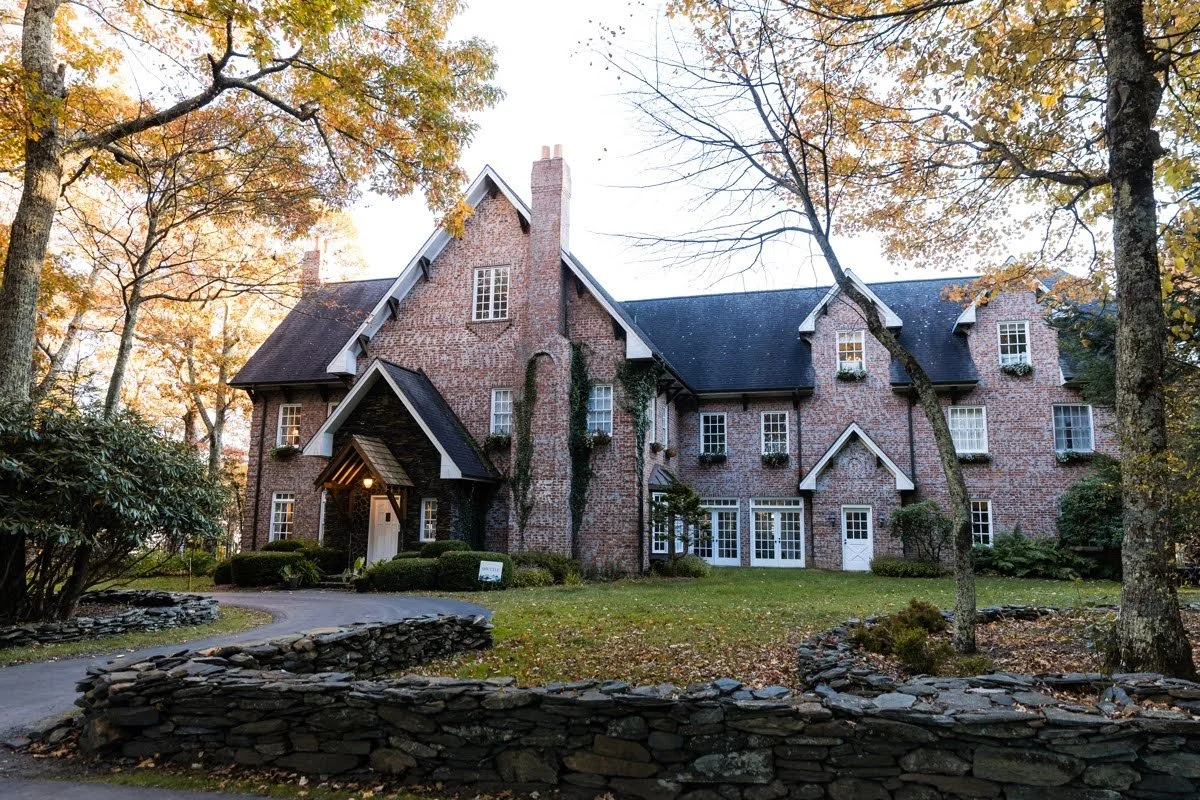
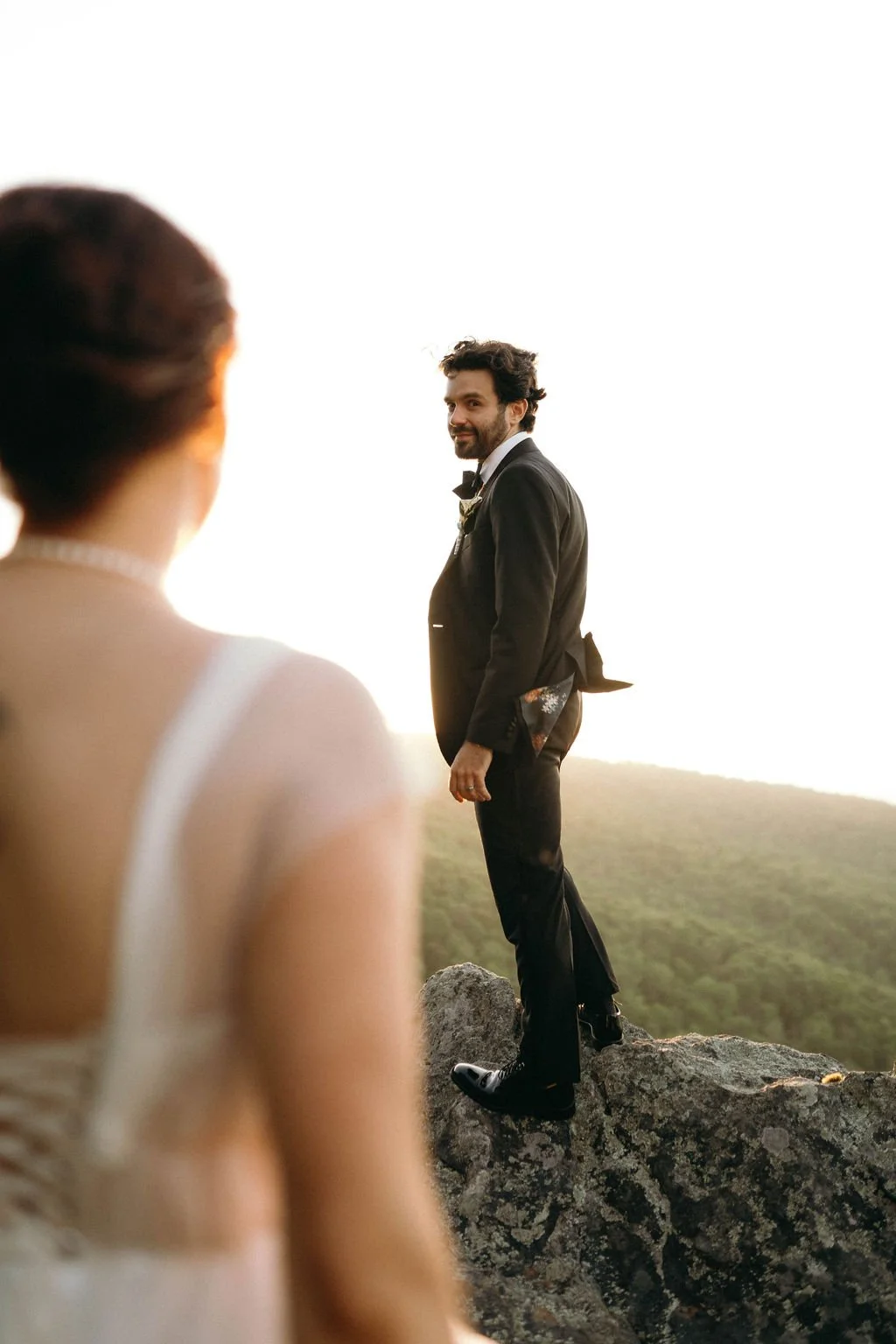
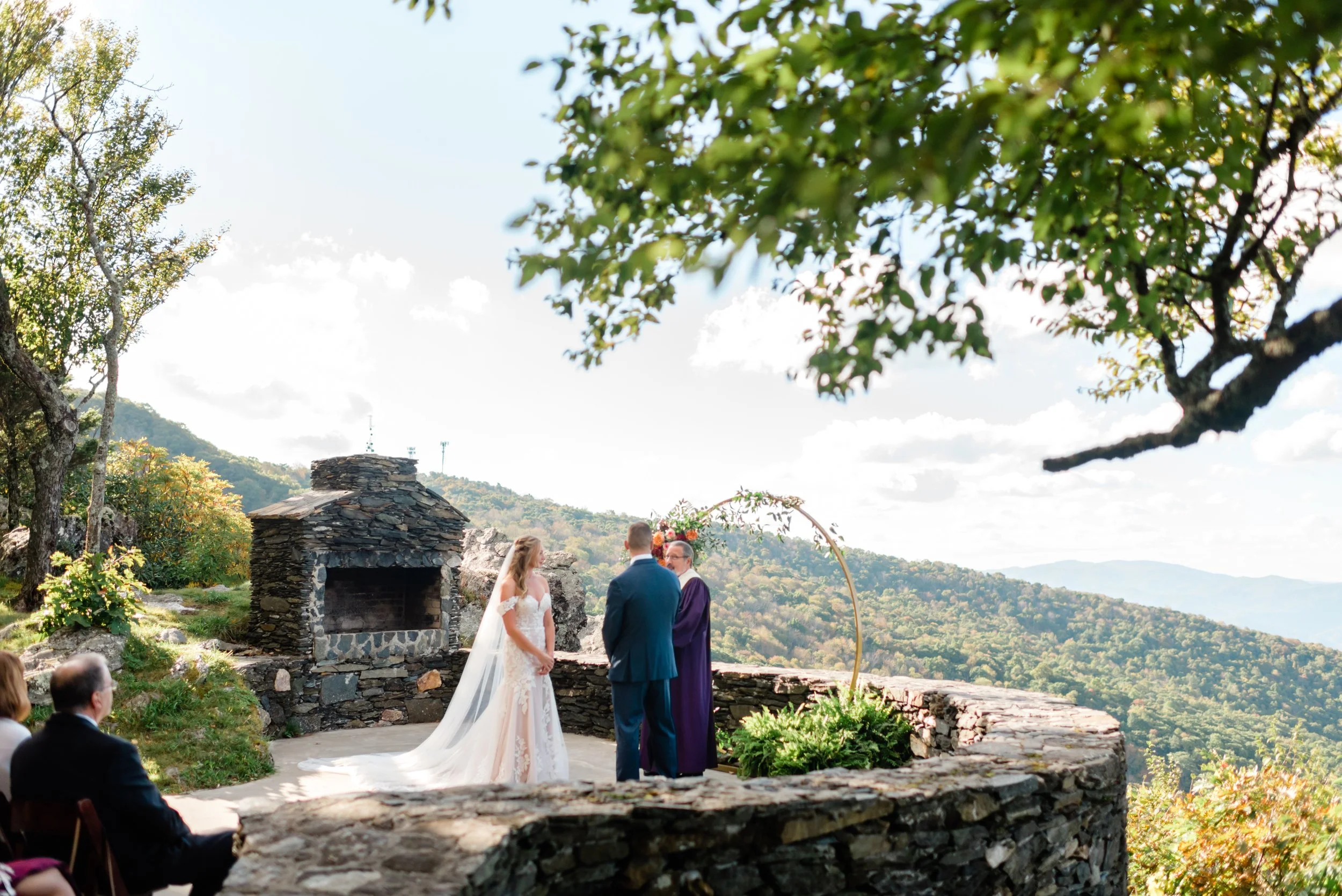
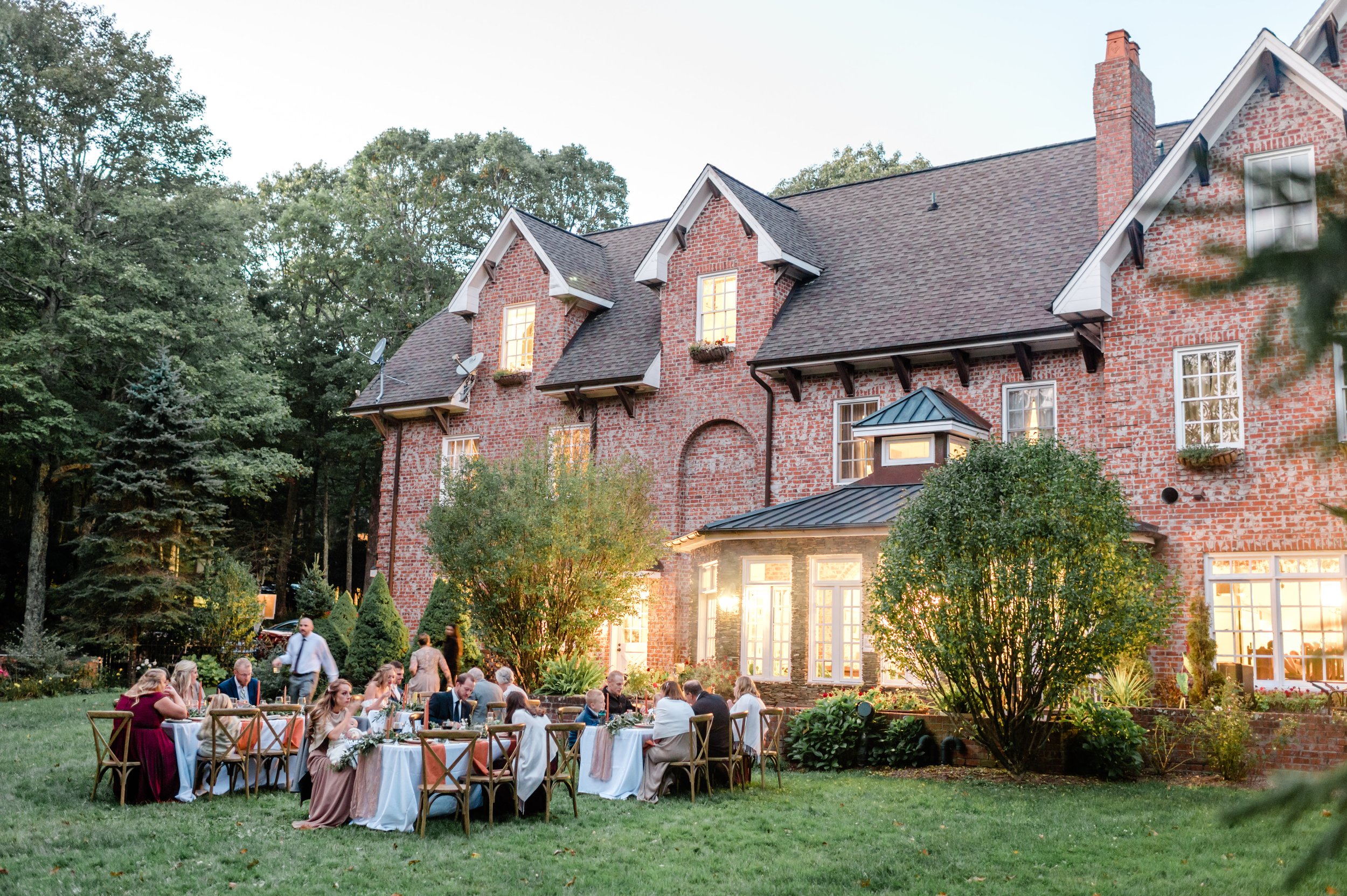
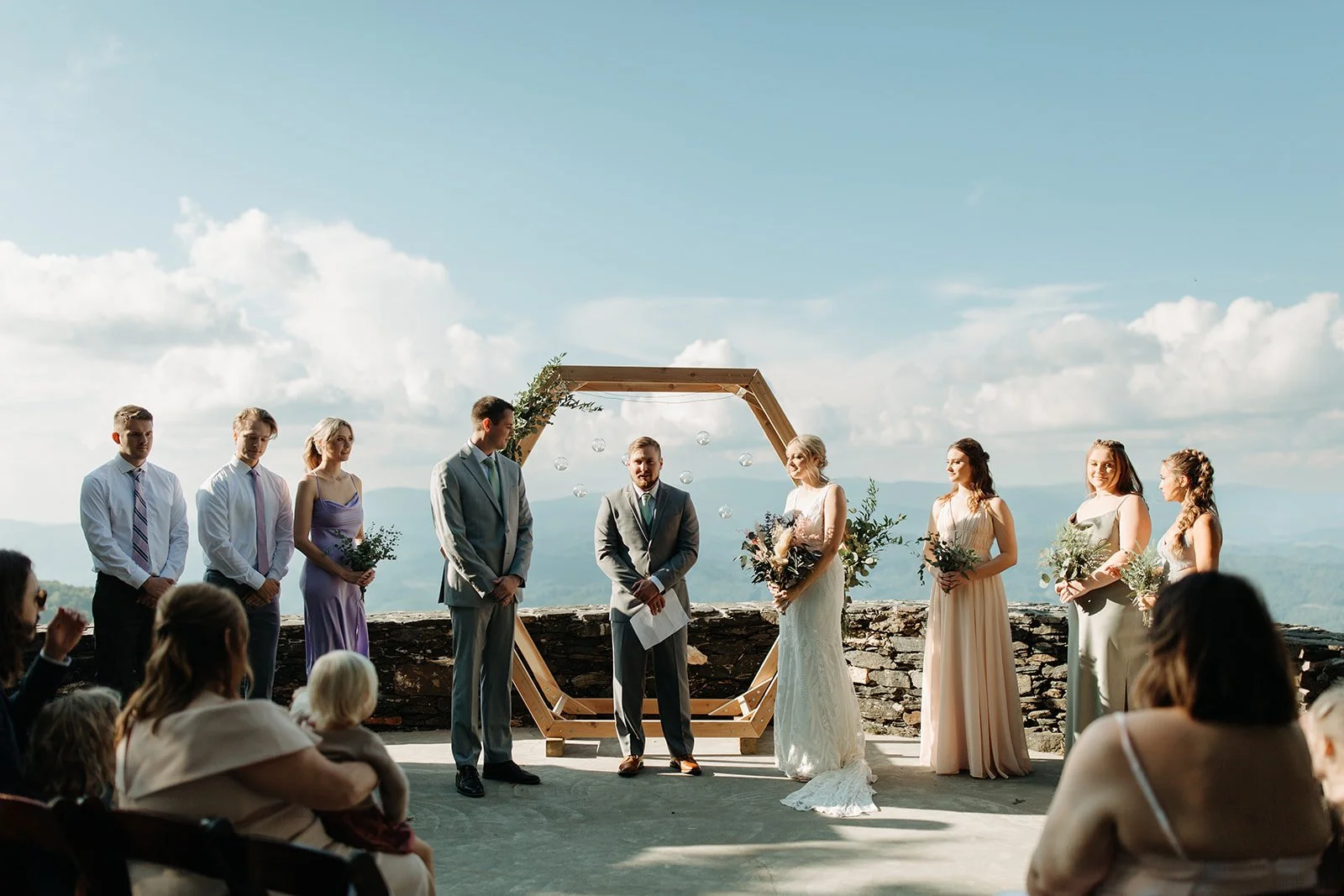
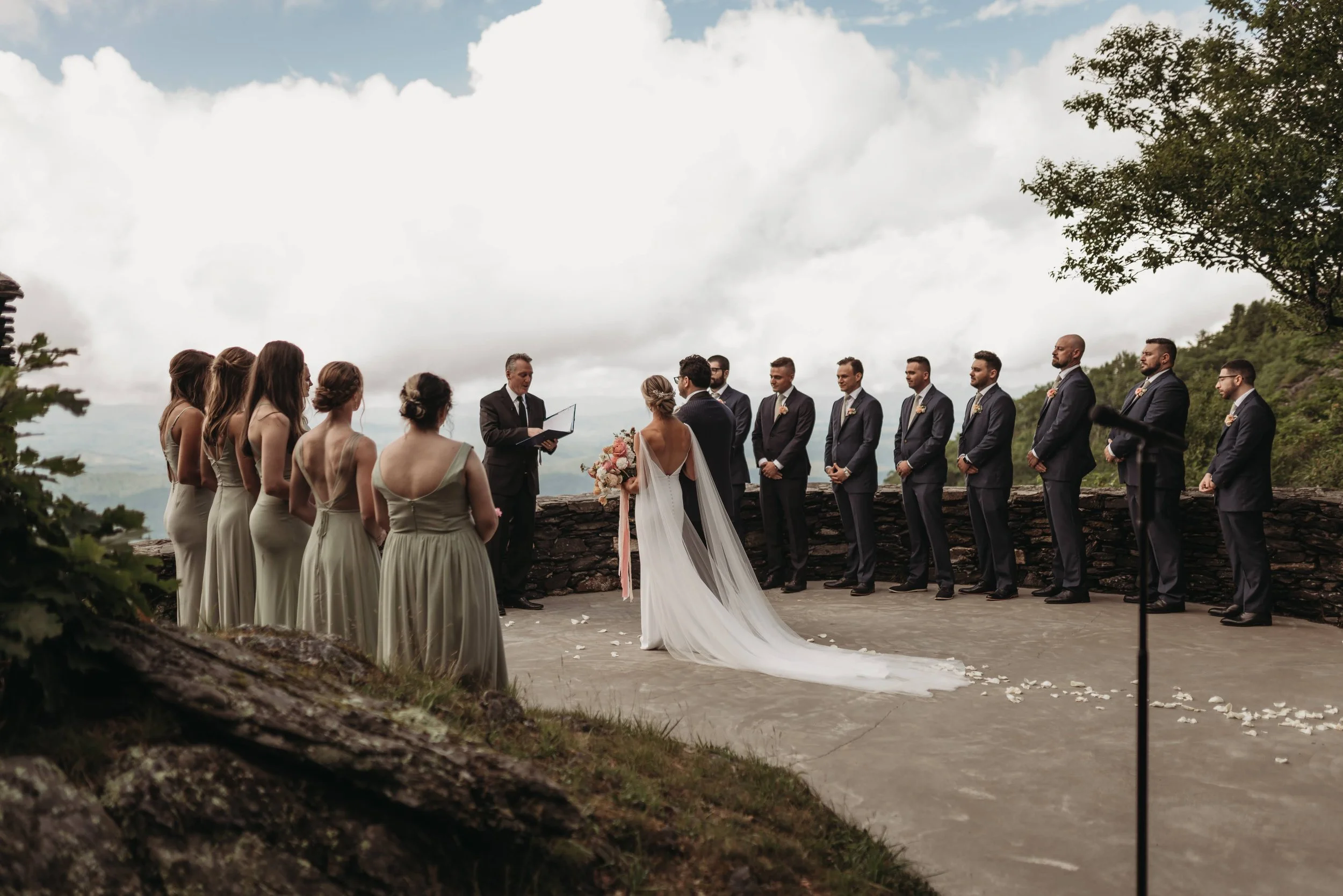
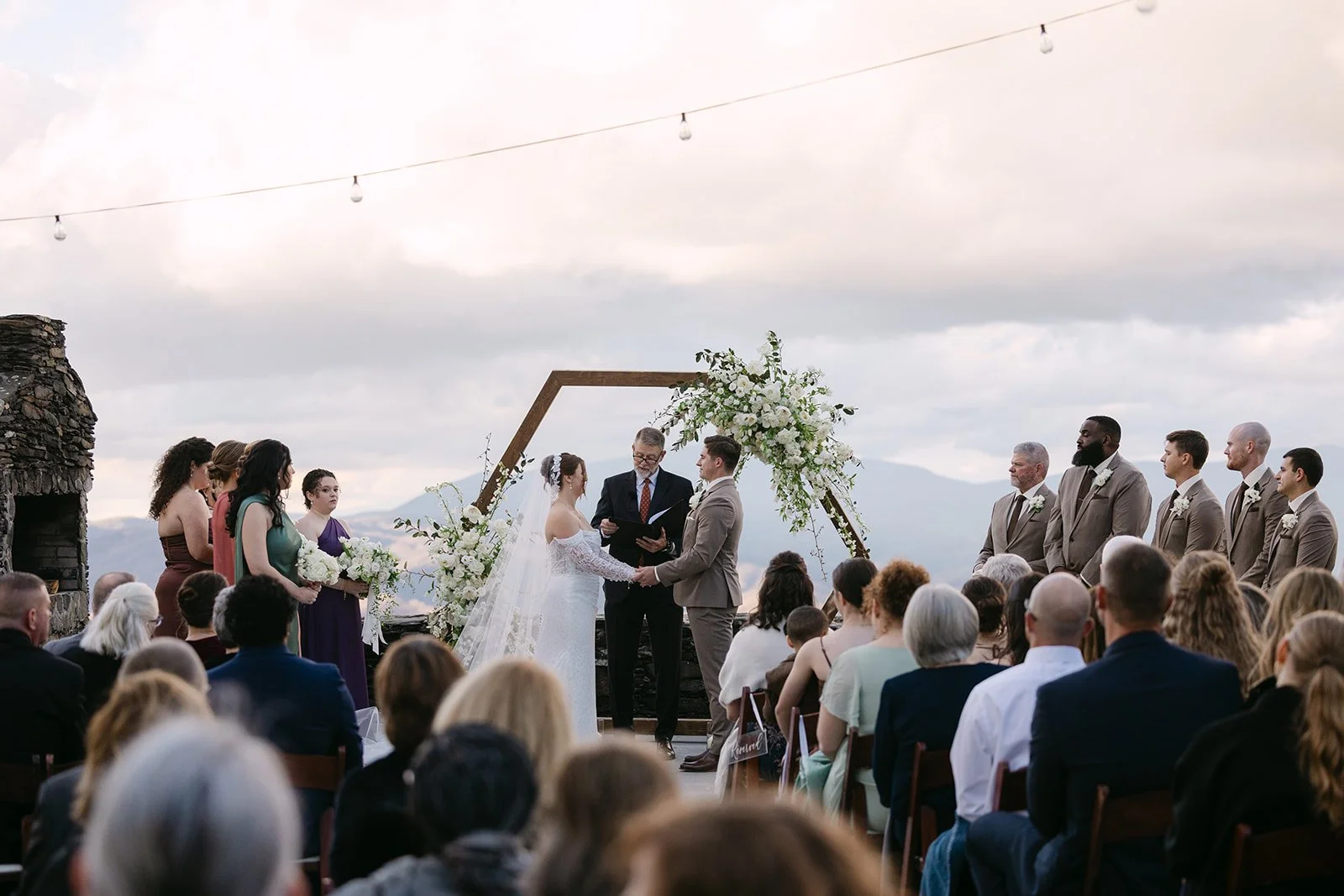
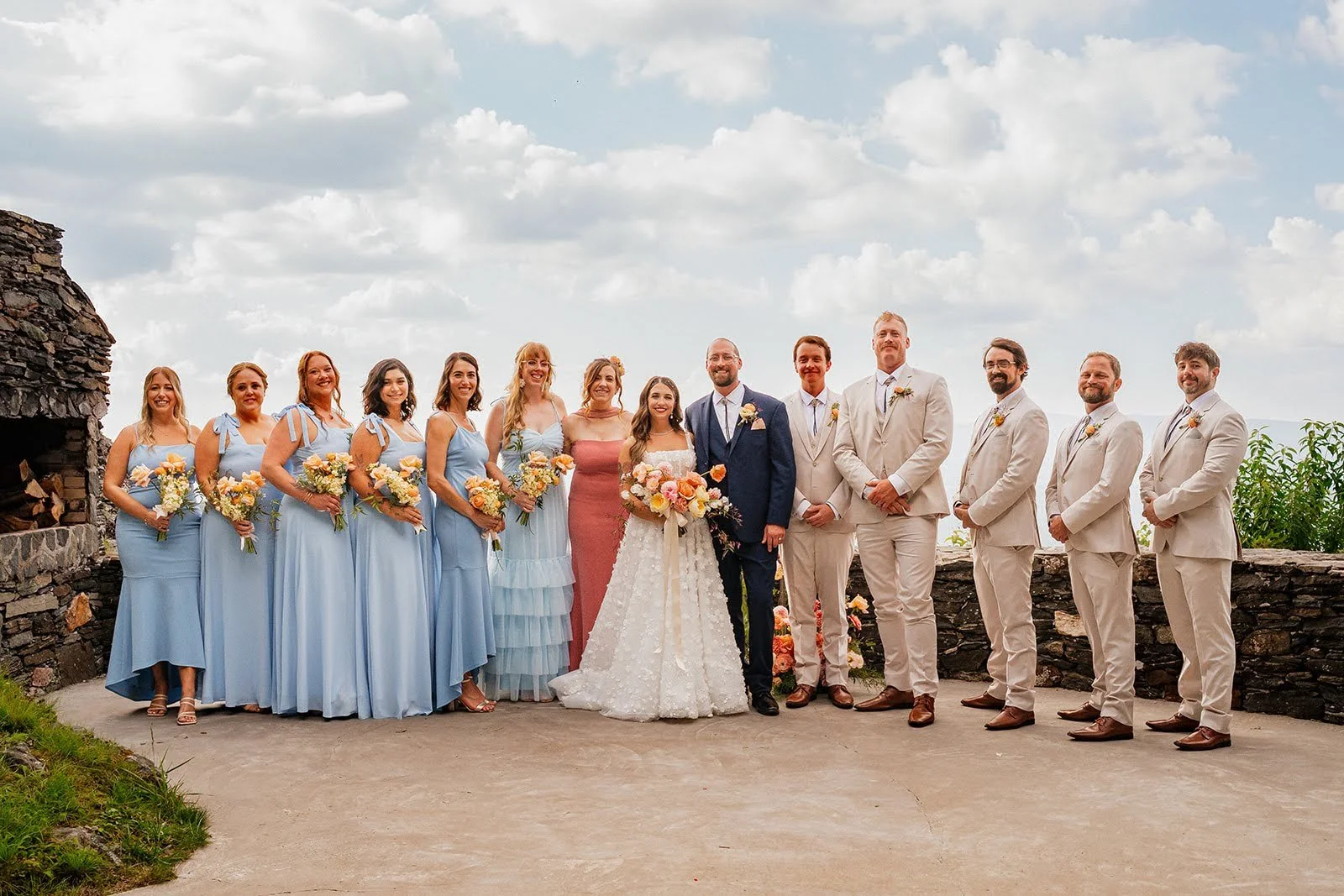
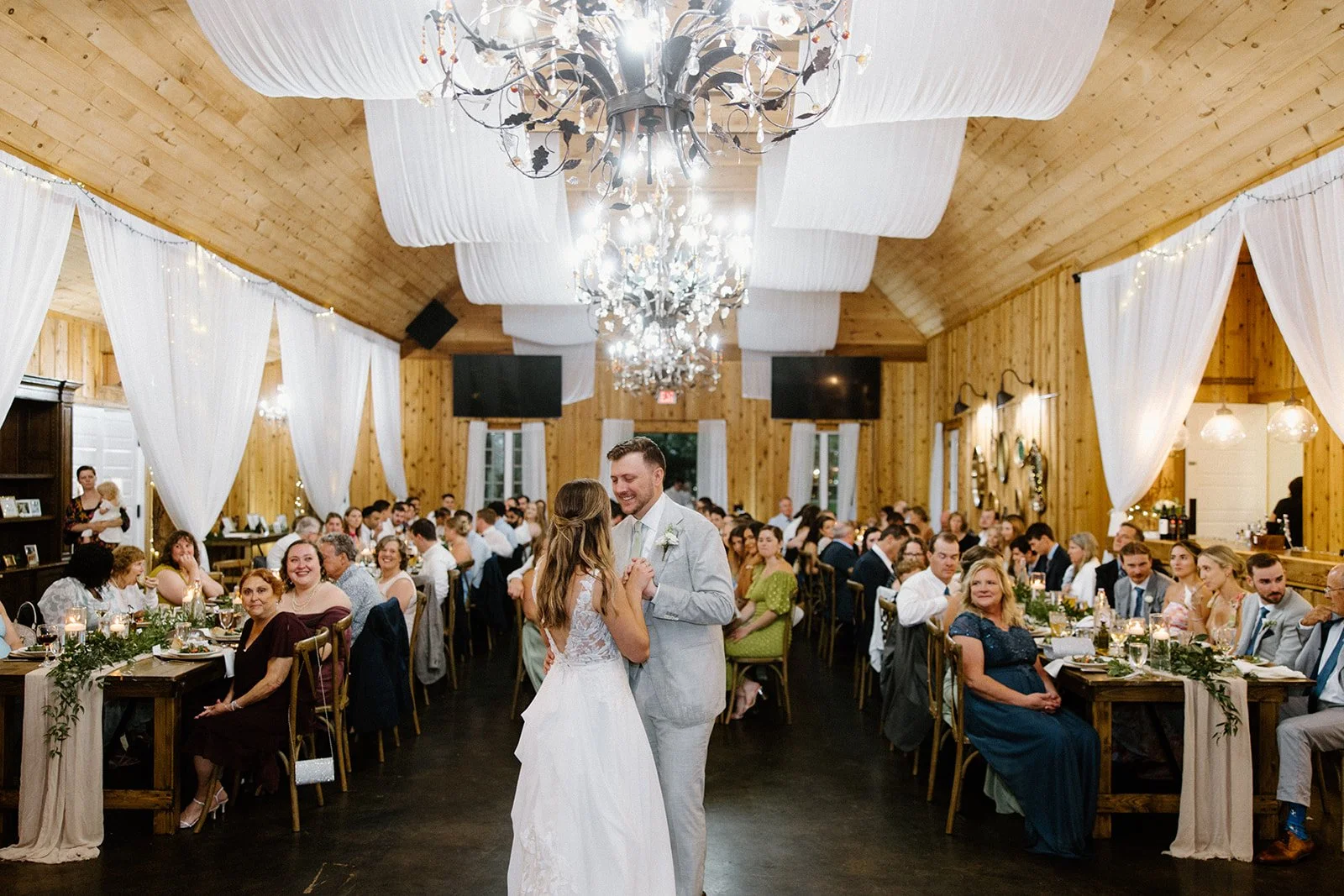
Unlike the West Jefferson Hotel, Twickenham House & Hall is not a century-old downtown hotel. It is a modern mountaintop estate in North Carolina used for luxury weddings, retreats, and gatherings. It does not carry railroad origins, industrial past, or stories of economic decline.
However, Twickenham does share something powerful:
The potential to become a long-lasting cultural landmark.
Where West Jefferson reflects preservation of heritage, Twickenham represents the building of heritage in real time.
It sits in a region shaped by:
outdoor tourism
mountain culture
modern destination-wedding growth
community-centered business development