
Planning a wedding is one of the most exciting chapters in your life—but when it comes to finances, things can quickly get complicated. Between evolving traditions and modern expectations, many couples find themselves asking: who pays for what in a modern wedding?
At Twickenham House & Hall, we’ve worked with countless couples navigating this exact question. The truth is, today’s wedding budget etiquette is more flexible than ever—meaning there’s no one-size-fits-all answer. What matters most is clarity, communication, and a plan that reflects your values.
This guide breaks down modern wedding budget etiquette, a practical wedding expenses list, and even gives you scripts for discussing wedding budget with family—so you can move forward with confidence.
Modern Wedding Budget Etiquette: What’s Changed?

Traditionally, the bride’s family covered most wedding expenses. But today, modern wedding traditions have shifted significantly.
Now, couples are:
Paying for their own weddings
Splitting costs between families
Combining contributions in flexible ways
The focus has moved from obligation to collaboration.
Modern wedding budget etiquette = transparency + fairness + comfort.
Wedding Budget Breakdown: Who Typically Pays?


While every wedding is different, here’s a general wedding cost breakdown based on both tradition and modern practices:
Couple (Most Common Today)
Many couples now cover:
Venue (like Twickenham House & Hall)
Catering and bar
Photography and videography
Wedding planner or coordinator
Attire (sometimes shared)
Honeymoon
This approach gives couples full control over their wedding planning finances.
Parents of the Couple
Parents may still contribute, but it varies widely.
Traditionally, the bride’s parents paid for:
Ceremony and reception
Catering
Decor
Wedding dress
Traditionally, the groom’s parents paid for:
Rehearsal dinner
Alcohol
Honeymoon (optional)
Modern reality:
Parents contribute a set amount instead of specific items
Contributions are optional, not assumed
Some parents prefer funding meaningful elements like flowers or music
Shared Costs (Common Today)
Many weddings now involve splitting wedding costs, like:
Venue and catering split between families
Bar paid by one side, food by the other
A couple covers the majority, and parents add contributions
This hybrid approach is the most common in modern wedding planning.
Complete Wedding Expenses List
To plan effectively, you need a clear wedding expenses list:
Venue rental
Catering and bar
Photographer and videographer
Florals and decor
Entertainment (DJ or band)
Wedding attire
Hair and makeup
Invitations and stationery
Wedding planner
Transportation
Officiant fees
Marriage license
Rehearsal dinner
Honeymoon
Knowing this list helps avoid confusion when splitting wedding costs.
Wedding Cost Sharing Ideas (That Actually Work)
If you’re figuring out how to split wedding costs between families, here are realistic approaches:
Percentage-Based Split
Each party contributes a percentage (for example, 50/30/20).
Category-Based Split
Each party takes ownership of specific items:
Parents: catering and bar
Couple: venue and photo/video
Fixed Contribution
Parents offer a set amount:
“We’d love to contribute $10,000—use it however you need.”
This is often the least stressful option.
Couple-Paid Wedding
Increasingly common:
Full control
No external pressure
Flexible decision-making
How to Talk About a Wedding Budget With Parents
This is where most couples get stuck. Money conversations can feel awkward—but they don’t have to be.
Here are simple, respectful conversation scripts you can use:
Script 1: Opening the Conversation
“Hi, we’re starting to plan the wedding and wanted to talk about the budget. We’d love your input and also want to understand if you’re comfortable contributing in any way.”
Script 2: Asking About Contributions
“We’re working on our wedding financial planning and putting together a budget. If you’re open to helping, we’d really appreciate knowing what feels comfortable for you—no pressure at all.”
Script 3: Setting Boundaries
“We’re so grateful for your support. We also want to make sure we’re making decisions that reflect what we want as a couple.”
Script 4: Clarifying Expectations
“If you’re contributing, would you prefer to support a specific part of the wedding or give a general amount?”
Script 5: If You’re Paying for the Wedding Yourself
“We’ve decided to cover the wedding ourselves, but we’d love your support in other ways—like being part of the planning and celebration.”
Wedding Budget Tips for Couples

Whether you're working with family contributions or planning independently, these wedding budget tips for couples will keep things on track:
Start With Your Priorities
Decide what matters most:
Venue experience (like Twickenham House & Hall)
Guest experience
Photography
Food
Allocate budget accordingly.
Build a Realistic Guest Count
Guest count is the biggest cost driver.
For example:
A wedding cost breakdown for 50 guests
Smaller weddings create more flexibility per guest
Track Everything
Use a spreadsheet or planning tool to manage:
Budget versus actual spend
Contributions
Payment deadlines
Expect Hidden Costs
Common surprises include:
Service charges
Taxes
Vendor tips
Overtime fees
Always include a 5–10% buffer.
Align Early as a Couple
Before involving family, discuss:
Budget comfort level
Financial boundaries
Vision for the wedding
This prevents conflict later.
Paying for Wedding Traditions: Keep or Skip?
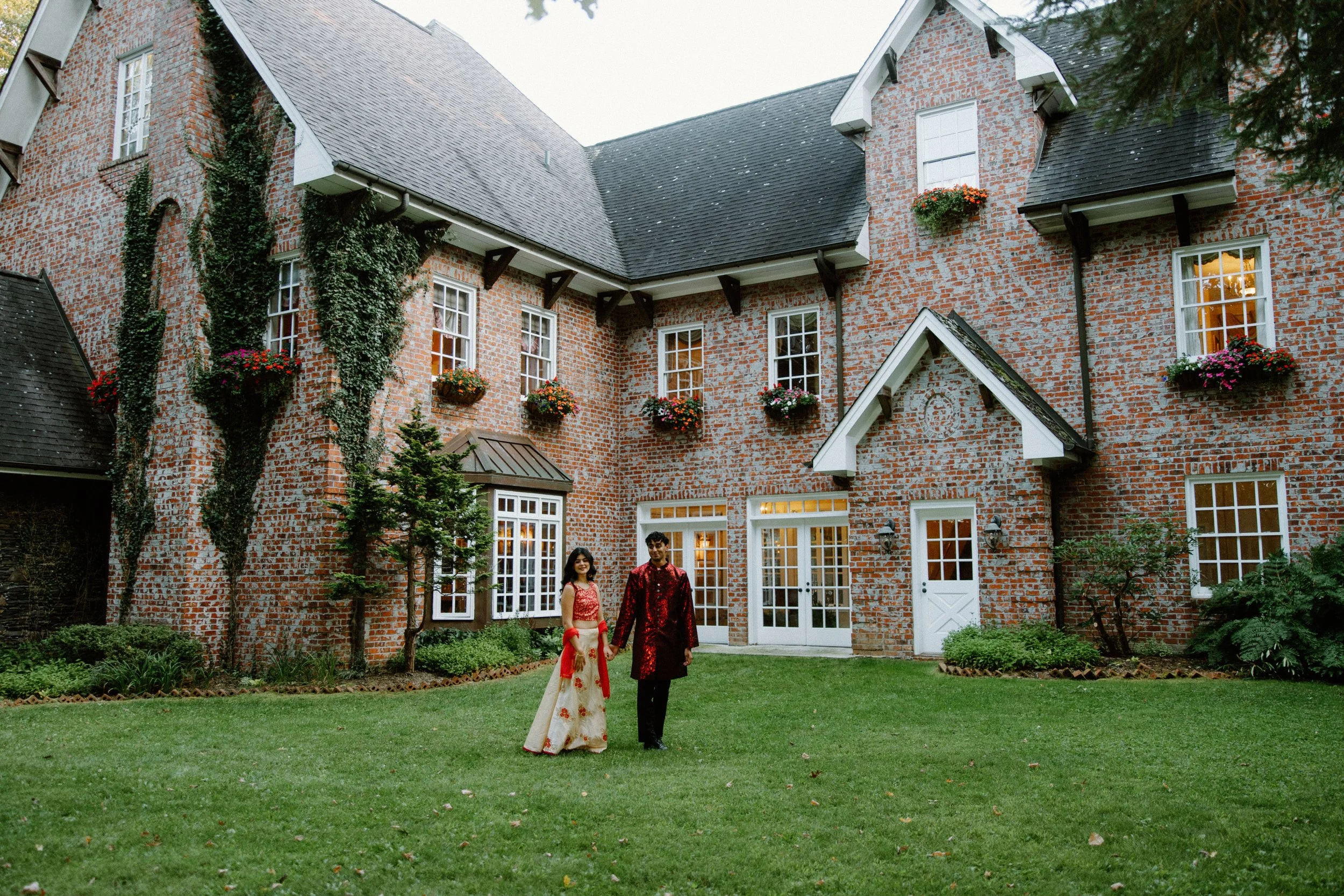
Not all traditions need to stay.
Modern couples are redefining wedding traditions, such as:
Skipping formal rehearsal dinners
Sharing attire costs
Replacing large receptions with intimate gatherings
Ask yourself:
Does this tradition add value—or just cost?
Final Thoughts: Make It Yours
There’s no “correct” answer to who pays for a wedding anymore.
At Twickenham House & Hall, we’ve seen every approach work beautifully—from fully self-funded weddings to multi-family collaborations. The key is creating a plan that feels right for you.
When you prioritize communication, clarity, and shared expectations, your wedding budget becomes less of a stress point—and more of a tool to bring your vision to life.